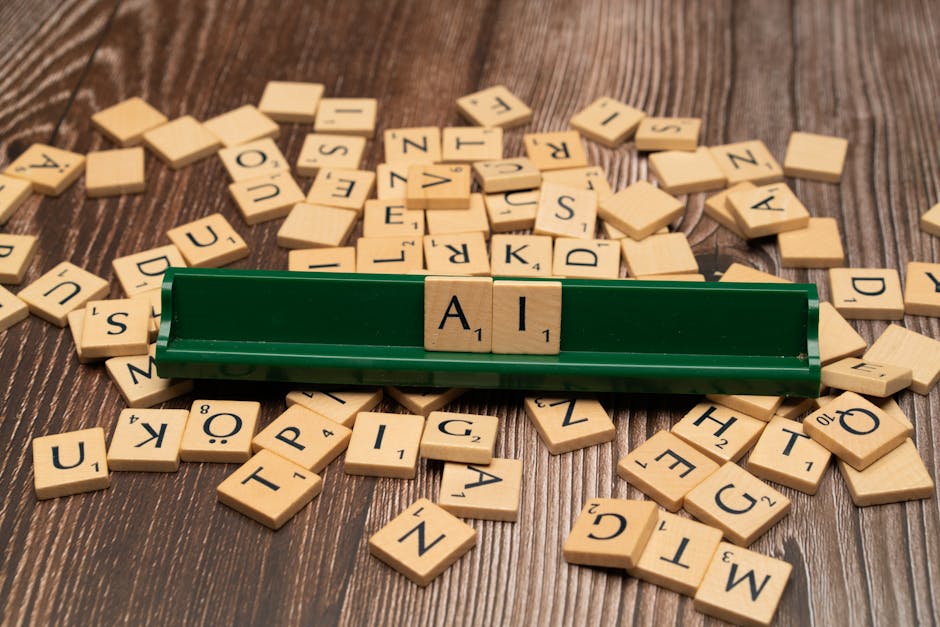
The AI Education Revolution: How Artificial Intelligence is Reshaping Learning in 2026
Discover how artificial intelligence is transforming education in 2026 through personalized learning, adaptive systems, and revolutionary teaching methodologies that promise to make quality education accessible to all.
The AI Education Revolution: How Artificial Intelligence is Reshaping Learning in 2026
As we navigate through 2026, artificial intelligence has become the cornerstone of educational transformation worldwide. The traditional one-size-fits-all approach to education is crumbling, replaced by personalized, adaptive learning systems that promise to revolutionize how we teach and learn.
The Problem: Education's Industrial Age Legacy
For centuries, education systems have operated on factory-model principles: standardized curricula, fixed pacing, and mass instruction. This approach fails to account for individual learning styles, paces, and interests. According to [Wikipedia's AI overview](https://en.wikipedia.org/wiki/Artificial_intelligence), traditional educational methods struggle with scalability and personalization, leaving millions of students behind while failing to challenge advanced learners appropriately.
- **Rigid curriculum structures** that don't adapt to individual student needs
- **Limited teacher resources** for personalized attention
- **Standardized testing** that measures memorization rather than understanding
- **Geographical barriers** to quality education access
The AI Solution: Personalized Learning at Scale
Artificial intelligence is dismantling these barriers through sophisticated adaptive learning platforms. These systems analyze student performance in real-time, adjusting content difficulty and presentation style to optimize learning outcomes. As reported by [TechCrunch](https://techcrunch.com/), AI-powered educational tools are achieving what human teachers alone cannot: true personalized education at scale.
- **Adaptive learning algorithms** that customize content based on student performance
- **Intelligent tutoring systems** providing 24/7 academic support
- **Automated assessment tools** that evaluate deeper understanding beyond multiple-choice
- **Natural language processing** for language learning and composition feedback
The integration of AI in education extends beyond academic subjects. Platforms like those developed by [Agent Arena](https://agentarena.me/) are creating immersive learning environments where students can experiment with real-world scenarios in safe, controlled digital spaces.
Who Benefits Most from AI Education?
- **Students** receive personalized learning paths and immediate feedback
- **Teachers** gain powerful tools for classroom management and individual student tracking
- **Educational institutions** can optimize resources and improve outcomes
- **Lifelong learners** access adaptive platforms for continuous skill development
- **Special needs students** benefit from customized interfaces and pacing
For those interested in how AI is transforming other professional domains, our analysis of [AI Teaching Assistants for Teachers](https://agentarena.me/blog/ai-teaching-assistants-for-teachers) provides deeper insights into classroom applications.
The Future of AI in Education
Looking ahead, AI's role in education will expand into more sophisticated domains. We're moving toward systems that can understand student emotional states, predict learning obstacles before they occur, and create truly immersive educational experiences through augmented and virtual reality integrations. The [GitHub trending repositories](https://github.com/trending) show increasing development in educational AI tools, indicating strong momentum in this sector.
However, challenges remain around data privacy, algorithmic bias, and ensuring equitable access. As we develop these powerful tools, we must simultaneously build robust ethical frameworks to govern their use.
The education revolution powered by AI isn't coming—it's already here. The question is no longer whether AI will transform education, but how quickly we can ensure these transformations benefit all learners equally.
Subscribe to Our Newsletter
Get an email when new articles are published.
Article Digest
🔥 Popular Now
#1
The Democratization of Software: How AI is Turning Everyone into a Developer
#2
Apple's Smart Glasses Evolution: Testing Four Designs Signals Strategic Pivot
#3
When AI Tension Spills Onto the Streets: The Molotov Attack on Sam Altman's Home and What It Means for Tech's Future
#4
CUTEv2: The Universal Matrix Engine Revolutionizing CPU Architectures with Zero Overhead
#5
Microsoft's New Enterprise Agent: The Secure Answer to OpenClaw's Risks