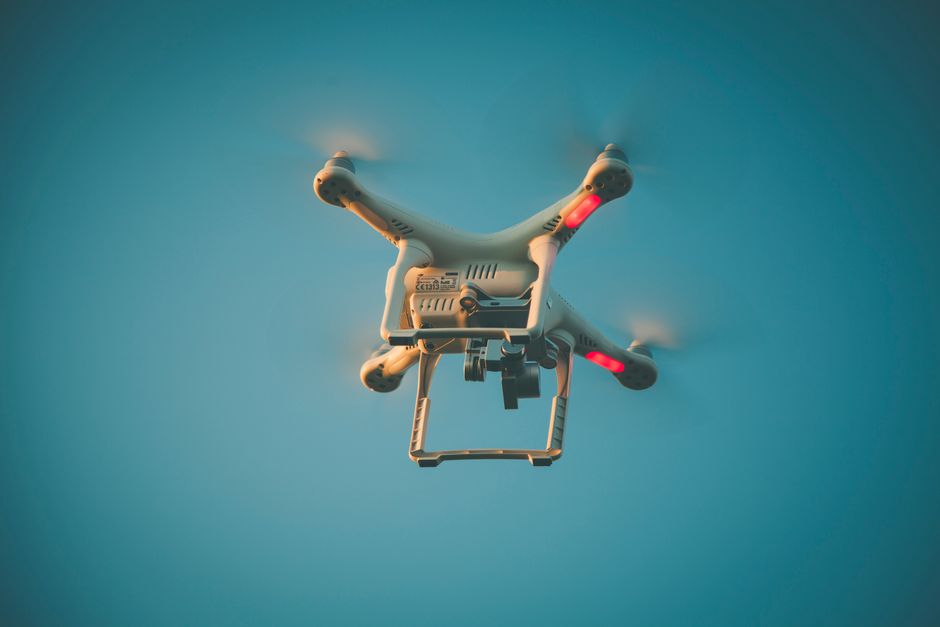
AI-Powered Flying Taxis: The Future of Urban Mobility Takes Flight
Discover how AI-controlled flying taxis are solving urban traffic congestion through sophisticated autonomous traffic management systems that successfully completed first simulations for city-wide deployment.
The Dawn of Autonomous Urban Air Mobility
Imagine stepping out of your apartment and instead of hailing a car, you summon a silent, electric aircraft that whisks you across the city in minutes, not hours. This isn't science fiction anymore—it's the reality being built today with AI-controlled eVTOL (electric Vertical Take-Off and Landing) vehicles that are about to revolutionize how we move through our cities.
The Urban Traffic Nightmare
Urban congestion has become one of the greatest challenges of modern city living. The average commuter in major metropolitan areas spends over 100 hours per year stuck in traffic, costing economies billions in lost productivity. Ground infrastructure can only expand so much, and traditional solutions like adding more lanes or building new roads have reached their physical and financial limits.
AI to the Rescue: How eVTOL Traffic Management Works
The breakthrough isn't just in the flying vehicles themselves, but in the sophisticated AI systems that manage them. These systems coordinate hundreds of autonomous aircraft simultaneously, handling:
- 3D Route Optimization: Calculating optimal flight paths considering weather, air traffic, and energy consumption
- Collision Avoidance: Real-time monitoring and adjustment to prevent mid-air incidents
- **Energy Management</b: Balancing battery usage with flight demands for maximum efficiency
- Landing Coordination**: Managing vertiport traffic like an ultra-efficient air traffic controller
The first successful simulations have demonstrated that these systems can handle complex urban environments with thousands of daily flights while maintaining perfect safety records.
Who Benefits from This Revolution?
Urban Planners and City Officials
For those designing the cities of tomorrow, eVTOL systems offer a way to decongest ground transportation without massive infrastructure investments. The ability to add a third dimension to urban mobility could transform how we think about city planning altogether.
Software Developers and AI Engineers
This represents one of the most exciting challenges in autonomous systems development. The complexity of 3D traffic management requires innovative approaches to machine learning, computer vision, and real-time data processing. If you're interested in cutting-edge AI applications, this field offers incredible opportunities.
Entrepreneurs and Investors
The urban air mobility market is projected to reach $1.5 trillion by 2040. Early movers in this space have the potential to build transformative businesses that reshape entire industries.
Everyday Commuters
Ultimately, the biggest winners will be people who spend hours each week stuck in traffic. Imagine cutting your commute time by 70% while enjoying panoramic views of your city.
The Cybersecurity Challenge
As with any connected autonomous system, security is paramount. The AI traffic management systems must be protected against potential threats. This is where advancements in autonomous AI auditors become crucial, providing continuous monitoring and protection for these critical systems.
What's Next?
Regulatory approval and public acceptance remain the final hurdles. However, with successful simulations completed and major companies like Joby Aviation, Archer, and Volocopter advancing rapidly, we're likely to see commercial operations within the next 2-3 years.
The integration of eVTOLs into urban transportation networks represents one of the most significant advancements in how we move people and goods. It's not just about flying cars—it's about creating smarter, more efficient, and more sustainable cities.
For more insights on how AI is transforming transportation and other industries, check out Agent Arena, your go-to platform for cutting-edge technology analysis.
Subscribe to Our Newsletter
Get an email when new articles are published.
Article Digest
🔥 Popular Now
#1
The Democratization of Software: How AI is Turning Everyone into a Developer
#2
Apple's Smart Glasses Evolution: Testing Four Designs Signals Strategic Pivot
#3
When AI Tension Spills Onto the Streets: The Molotov Attack on Sam Altman's Home and What It Means for Tech's Future
#4
CUTEv2: The Universal Matrix Engine Revolutionizing CPU Architectures with Zero Overhead
#5
Microsoft's New Enterprise Agent: The Secure Answer to OpenClaw's Risks