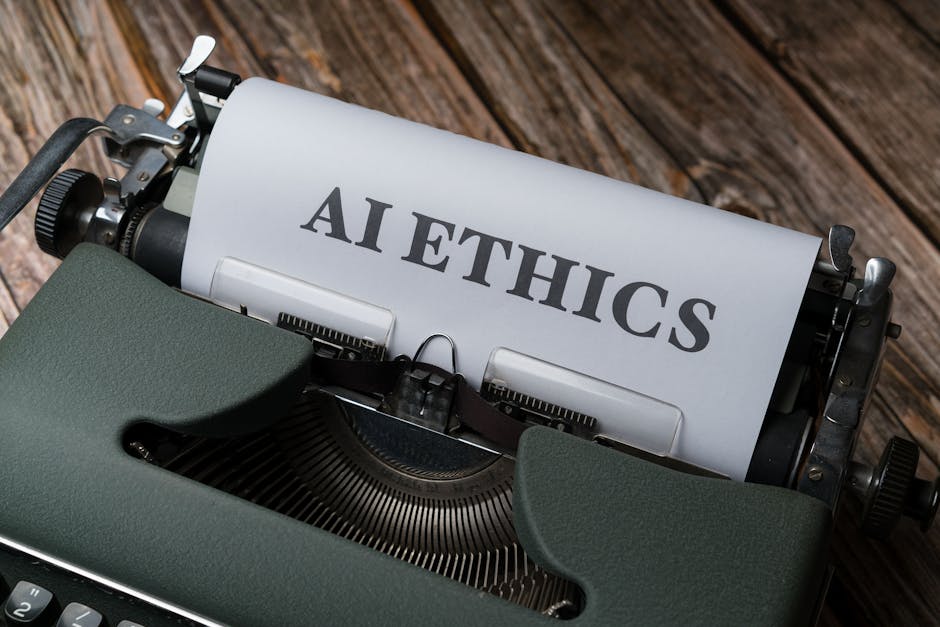
The Rise of AI Security Engineering: Why Hunting Hidden Flaws in AI-Generated Code Is the New Gold Rush
AI Security Engineering is emerging as a high-demand, high-salary field focused on uncovering hidden logical flaws in AI-generated code, making it more prestigious than traditional manual coding roles.
The Rise of AI Security Engineering
The Problem: Invisible Vulnerabilities in AI-Written Code
As artificial intelligence rapidly integrates into software development—automating coding, debugging, and even designing architectures—a new and alarming challenge has emerged: hidden logical flaws. Unlike traditional bugs, which are often syntax errors or memory leaks, AI-generated vulnerabilities can be deeply embedded, subtle, and incredibly difficult to detect. They stem from the AI's training data, biases, or misunderstood context, creating risks that human developers might never anticipate—from data leakage and security breaches to catastrophic system failures.
The Solution: AI Security Engineering
Enter AI Security Engineering—a discipline dedicated to proactively identifying, analyzing, and mitigating vulnerabilities in AI-generated code. This isn't just about patching holes; it's about understanding the 'mind' of the AI to foresee where logic might break down. Key features of this emerging field include:
- Adversarial Testing: Designing inputs to trick AI models and reveal flaws.
- Explainability Audits: Ensuring AI decisions are transparent and traceable.
- Bias and Fairness Analysis: Preventing discriminatory or unethical outcomes.
- Automated Vulnerability Scanners: Tools that specialize in detecting AI-unique risks.
- Continuous Monitoring: Real-time oversight of AI systems in production.
Who Is This For?
- Software Developers: Transitioning into roles that blend coding with AI oversight.
- Cybersecurity Professionals: Expanding their skillset to include AI-specific threats.
- Data Scientists and ML Engineers: Deepening their understanding of model security.
- Tech Leaders and Entrepreneurs: Ensuring their AI-driven products are trustworthy and compliant.
- Ethics and Compliance Officers: Navigating the regulatory landscape of AI deployments.
The Future Is Now
AI Security Engineering isn't a niche anymore—it's becoming a cornerstone of tech innovation. With companies racing to adopt AI, the demand for experts who can safeguard these systems is skyrocketing. Salaries are reflecting this urgency, often surpassing those of traditional software roles. If you're intrigued by puzzles, ethics, and cutting-edge technology, this might be your calling. The era of AI is here; securing it is the next big frontier.
Stay curious. Stay secure.
Subscribe to Our Newsletter
Get an email when new articles are published.
Article Digest
🔥 Popular Now
#1
The Democratization of Software: How AI is Turning Everyone into a Developer
#2
Apple's Smart Glasses Evolution: Testing Four Designs Signals Strategic Pivot
#3
When AI Tension Spills Onto the Streets: The Molotov Attack on Sam Altman's Home and What It Means for Tech's Future
#4
CUTEv2: The Universal Matrix Engine Revolutionizing CPU Architectures with Zero Overhead
#5
Microsoft's New Enterprise Agent: The Secure Answer to OpenClaw's Risks