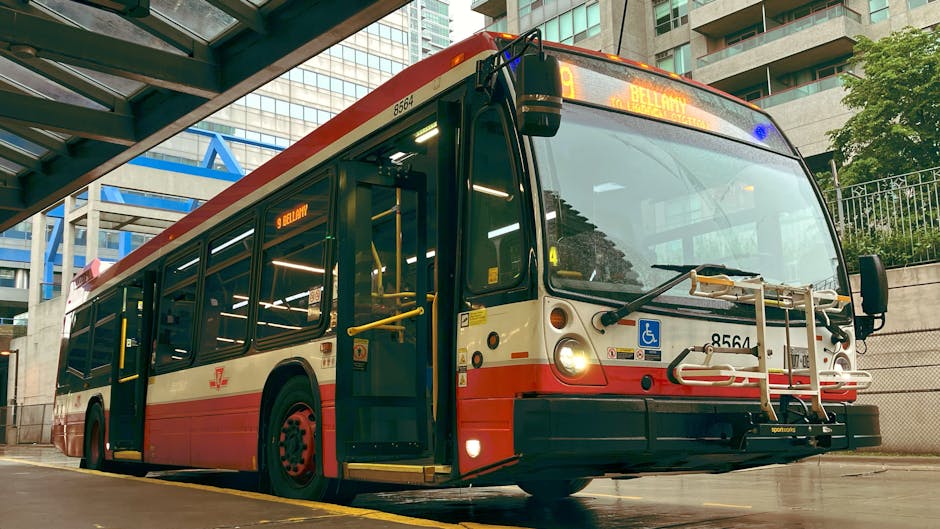
Autonomous Public Transit Pilots: How Driverless Buses Are Reshaping Urban Mobility
Commercial pilot programs for driverless electric buses have successfully completed in five European capitals, demonstrating the viability of autonomous public transportation on main routes and marking a significant milestone in urban mobility transformation.
The Quiet Revolution on European Streets
Imagine stepping onto a bus with no steering wheel, no driver's seat, and no human operator—just smooth, silent electric propulsion and intelligent navigation systems guiding your journey. This isn't science fiction; it's happening right now across Europe's most sophisticated urban centers.
The Problem: Urban Transportation's Perfect Storm
Urban transportation faces a triple threat: escalating labor costs, environmental pressures, and infrastructure limitations. Cities worldwide struggle with bus driver shortages, rising emissions from traditional vehicles, and the spatial constraints of adding more vehicles to already congested roads. The traditional model simply isn't scaling to meet growing urban populations and their mobility needs.
The Solution: Autonomous Electric Mobility Networks
Five major European capitals have just completed commercial pilot programs that demonstrate a viable path forward. These aren't limited test tracks or controlled environments—these are real-world deployments on active public transit routes carrying actual passengers during regular service hours.
Core Technological Components
The successful pilots share several key technological foundations:
- Multi-sensor Fusion Systems: Combining lidar, radar, cameras, and ultrasonic sensors for 360-degree environmental awareness
- V2X Communication: Vehicle-to-everything technology enabling communication with traffic signals, other vehicles, and infrastructure
- AI-Powered Decision Making: Real-time processing of complex urban environments including pedestrians, cyclists, and unexpected obstacles
- Electric Propulsion: Zero-emission operation supporting cities' sustainability goals
- Redundant Safety Systems: Multiple backup systems for every critical function ensuring passenger safety
Who Benefits? Beyond Just Commuters
Urban Planners & City Officials
City transportation departments gain unprecedented data insights into traffic patterns, route optimization, and infrastructure needs. The autonomous systems generate detailed analytics about passenger flow, peak usage times, and even road condition monitoring.
Environmental Advocates
These programs demonstrate concrete progress toward carbon neutrality goals. Electric autonomous buses eliminate both emissions and the environmental cost of manufacturing additional vehicles through improved utilization rates.
Technology Developers
The success of these pilots validates years of research and development in autonomous vehicle technology. As noted in our analysis of Autonomous AI Auditors, the convergence of AI safety systems and real-world deployment is creating new standards for trustworthy automation.
Citizens & Commuters
Passengers experience more reliable schedules, reduced travel times through optimized routing, and accessible transportation options for those who cannot drive conventional vehicles.
Implementation Challenges Overcome
The pilots successfully addressed several critical challenges:
Weather Adaptability: Systems proved capable of handling diverse European weather conditions from Scandinavian winters to Mediterranean summers
Mixed Traffic Navigation: Autonomous buses demonstrated safe interaction with human-driven vehicles, pedestrians, and complex urban environments
Regulatory Compliance: Programs navigated varying international regulations and safety standards across different countries
Public Acceptance: Through transparent communication and demonstrated safety records, public trust in autonomous transportation grew significantly during the pilot phases
The Road Ahead: Scaling Autonomous Transit
With these successful pilots completed, cities are now planning expansion phases. The next steps include:
- Route Network Expansion: Adding more lines and increasing service frequency
- Fleet Scaling: Deploying larger numbers of autonomous vehicles
- Integration with Existing Systems: Connecting autonomous routes with traditional public transit options
- Advanced Features: Implementing on-demand routing and dynamic scheduling based on real-time demand
Economic Impact Assessment
The autonomous transit revolution extends beyond transportation. These systems create new job categories in remote monitoring, fleet maintenance, and AI system management while addressing driver shortages that have plagued public transit systems for years.
For technology enthusiasts and urban innovators following these developments, Agent Arena provides ongoing analysis of how autonomous systems are transforming various industries beyond transportation.
Conclusion: The Future Is Autonomous
The successful completion of these commercial pilot programs marks a watershed moment for urban mobility. We're not just looking at incremental improvement to existing systems—we're witnessing the foundation of entirely new transportation paradigms. As cities continue to grow and evolve, autonomous electric transit offers a scalable, sustainable, and intelligent solution to the complex challenge of urban mobility.
The quiet revolution on European streets is about to get much louder as these technologies expand to cities worldwide, reshaping how we think about public transportation and urban life itself.
Subscribe to Our Newsletter
Get an email when new articles are published.
Article Digest
🔥 Popular Now
#1
The Democratization of Software: How AI is Turning Everyone into a Developer
#2
Apple's Smart Glasses Evolution: Testing Four Designs Signals Strategic Pivot
#3
When AI Tension Spills Onto the Streets: The Molotov Attack on Sam Altman's Home and What It Means for Tech's Future
#4
CUTEv2: The Universal Matrix Engine Revolutionizing CPU Architectures with Zero Overhead
#5
Microsoft's New Enterprise Agent: The Secure Answer to OpenClaw's Risks