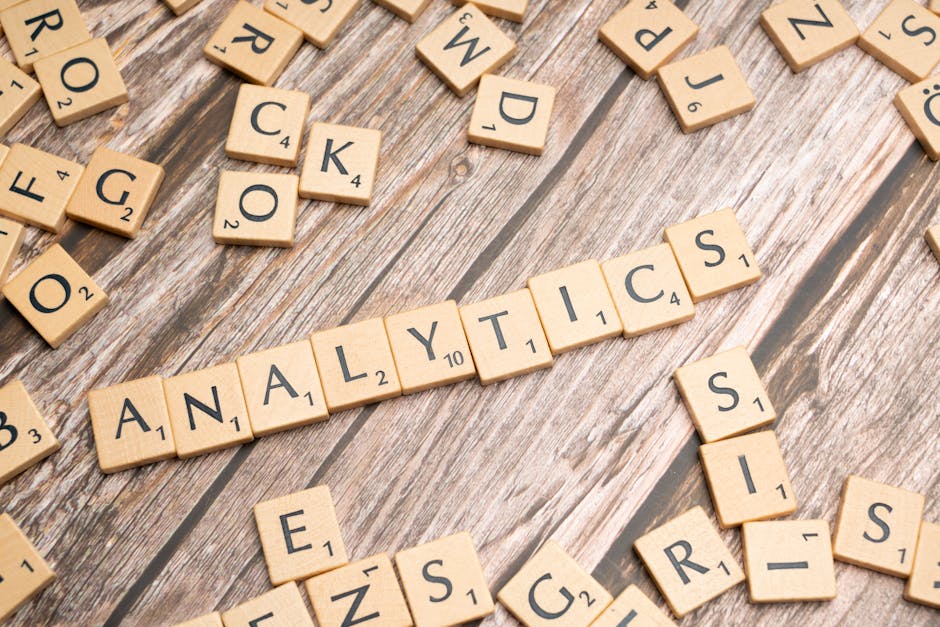
Data Leak Prediction Algorithms: The Future of Proactive Cybersecurity
Discover how data leak prediction algorithms use machine learning to identify insider threats and careless behavior patterns before breaches occur, revolutionizing organizational cybersecurity with proactive protection.
Data Leak Prediction Algorithms: Stopping Breaches Before They Happen
Imagine knowing about a potential data breach weeks before it occurs. Not through forensic analysis after the damage is done, but through intelligent prediction that identifies risky employee behavior patterns in real-time. This isn't science fiction—it's the revolutionary power of data leak prediction algorithms that are transforming how organizations protect their most valuable asset: information.
The Invisible Threat: Why Traditional Security Isn't Enough
Traditional cybersecurity measures operate like digital gatekeepers—they watch the doors and windows but can't see what's happening inside the castle. Firewalls, intrusion detection systems, and encryption protocols are essential, but they share a critical limitation: they're reactive rather than proactive. They wait for something to go wrong before springing into action.
Data leak prediction algorithms change this paradigm entirely. By analyzing employee digital behavior patterns, these systems can identify subtle indicators that might signal either malicious intent or careless behavior long before any actual data exfiltration occurs. It's like having a cybersecurity psychic that can read the digital tea leaves of your organization's daily operations.
How Prediction Algorithms Work: The Magic Behind the Curtain
At their core, these algorithms combine machine learning, behavioral analytics, and risk assessment models to create a comprehensive early-warning system. They continuously monitor and analyze:
- Access Patterns: Who's accessing what data, when, and from where
- Behavioral Anomalies: Deviations from normal work patterns
- Data Handling: How employees interact with sensitive information
- Network Activity: Unusual data transfers or communication patterns
The system establishes a baseline of normal behavior for each employee and department, then flags activities that fall outside these established patterns. What makes this technology particularly powerful is its ability to distinguish between legitimate work activities and potentially risky behavior without creating a surveillance-state atmosphere.
Real-World Applications: From Financial Services to Healthcare
Financial institutions are early adopters of this technology, using prediction algorithms to monitor traders and financial analysts who handle sensitive market information. One major bank reported preventing 37 potential insider threat incidents in the first six months of implementation, saving an estimated $15 million in potential regulatory fines and reputational damage.
Healthcare organizations are implementing similar systems to protect patient data. By monitoring how medical staff access and handle electronic health records, hospitals can identify patterns that might indicate unauthorized access or potential data mishandling before it becomes a HIPAA violation.
The Human Element: Balancing Security and Privacy
One of the most challenging aspects of implementing data leak prediction systems is maintaining the delicate balance between security and employee privacy. The most effective systems are designed with privacy-by-design principles, ensuring that:
- Monitoring focuses on behavior patterns rather than content
- Employees are aware of the monitoring (within legal requirements)
- Data is anonymized and aggregated where possible
- Clear policies govern how alerts are investigated and handled
Organizations that successfully implement these systems often see improved security culture rather than creating an atmosphere of distrust. Employees understand that the system protects both the organization and their own professional reputations.
Integration with Existing Security Infrastructure
Data leak prediction algorithms don't replace existing security measures—they enhance them. These systems integrate seamlessly with:
- SIEM (Security Information and Event Management) systems
- DLP (Data Loss Prevention) solutions
- Identity and Access Management platforms
- Endpoint detection and response tools
This integration creates a layered security approach where prediction algorithms provide the early warning, while traditional security tools provide the enforcement mechanisms.
The Future of Predictive Security
As artificial intelligence continues to advance, we're seeing prediction algorithms become increasingly sophisticated. Future developments include:
- Predictive risk scoring for new employees during onboarding
- Integration with HR systems to correlate behavioral changes with life events
- Advanced natural language processing to analyze communication patterns
- Cross-organizational threat intelligence sharing (while maintaining privacy)
These advancements will make prediction systems even more accurate while reducing false positives—the perennial challenge of any monitoring system.
For those interested in the broader landscape of AI security solutions, I recently explored how autonomous pentest agents are revolutionizing cybersecurity with continuous protection and automated vulnerability remediation.
Implementation Considerations
Organizations considering data leak prediction algorithms should focus on:
-
Clear Policy Development: Establishing transparent guidelines about what's monitored and why
-
Employee Education: Helping staff understand how the system protects everyone
-
Gradual Implementation: Starting with high-risk departments before expanding organization-wide
-
Regular Auditing: Ensuring the system itself doesn't become a privacy risk
The Bottom Line: Prevention Over Reaction
Data leak prediction algorithms represent a fundamental shift in cybersecurity philosophy—from reacting to breaches after they occur to preventing them before they happen. In an era where the average cost of a data breach exceeds $4 million, the business case for predictive security has never been stronger.
As these technologies continue to evolve, they'll become increasingly accessible to organizations of all sizes, not just Fortune 500 companies with massive security budgets. The future of cybersecurity isn't just about building higher walls—it's about developing smarter sentries that can see trouble coming from miles away.
For more cutting-edge technology analysis and cybersecurity insights, be sure to follow Agent Arena for regular updates on how AI is transforming digital security landscapes.
Subscribe to Our Newsletter
Get an email when new articles are published.
Article Digest
🔥 Popular Now
#1
The Democratization of Software: How AI is Turning Everyone into a Developer
#2
Apple's Smart Glasses Evolution: Testing Four Designs Signals Strategic Pivot
#3
When AI Tension Spills Onto the Streets: The Molotov Attack on Sam Altman's Home and What It Means for Tech's Future
#4
CUTEv2: The Universal Matrix Engine Revolutionizing CPU Architectures with Zero Overhead
#5
Microsoft's New Enterprise Agent: The Secure Answer to OpenClaw's Risks