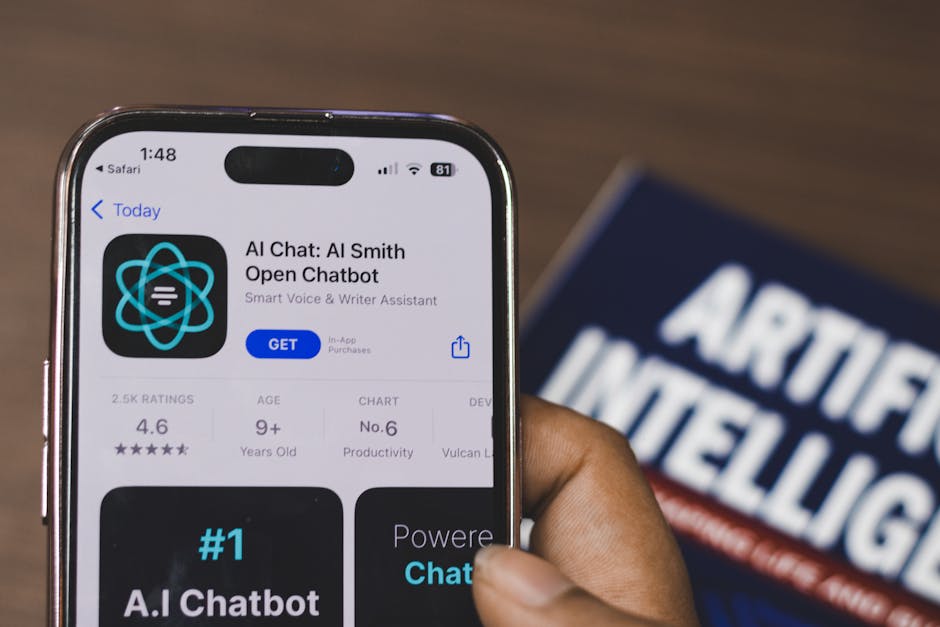
Local-Siri-Hooks: The Open Source Revolution Bringing Private AI to Your iPhone
Discover how independent developers are creating open-source tools that integrate local LLMs with iOS shortcuts, offering privacy-focused AI alternatives to Siri through system-level API bridges.
The Siri Alternative You Control
Remember when customizing your iPhone's voice assistant meant waiting for Apple's next big update? Those days are over. A grassroots movement of independent developers has cracked the code, creating tools that integrate open-source large language models directly with iOS shortcuts through system-level API bridges.
What Problem Does This Solve?
Apple's walled garden approach to AI has left many users frustrated. While Siri continues to evolve, it lacks the flexibility and privacy-focused approach that many power users demand. The solution? Local-Siri-Hooks - open source tools that let you replace or augment Siri with locally-run LLMs like Llama 3 or Mistral, keeping your data on-device while gaining unprecedented customization.
How It Works: Technical Magic Made Simple
These tools create a bridge between iOS's Shortcuts app and locally-hosted language models. Through clever API engineering, developers have found ways to:
- Process voice commands through your chosen LLM instead of Apple's servers
- Maintain complete privacy - your conversations never leave your device
- Customize responses and capabilities based on your specific needs
- Integrate with home automation and other iOS features seamlessly
The magic happens through a combination of local server setup and Shortcuts automation that would make even Apple's engineers impressed.
Who Benefits Most?
Privacy-Conscious Users
If you're uncomfortable with your voice data being processed on remote servers, these tools offer a compelling alternative. Your conversations remain entirely on your device.
Developers and Tinkerers
For those who want to experiment with different AI models or create custom voice-controlled workflows, this opens up endless possibilities beyond what Apple officially supports.
iOS Power Users
Anyone who uses Shortcuts extensively will appreciate the ability to integrate advanced AI capabilities into their automation routines.
The Bigger Picture: Why This Matters
This movement represents something larger than just technical convenience. It's about democratizing AI access and challenging the notion that only tech giants can provide advanced AI assistance. As these tools evolve, they could reshape how we think about mobile AI entirely.
For those interested in how AI is transforming other aspects of technology, you might enjoy reading about Autonomous AI Auditors and their impact on digital security.
Getting Started
While setting up these tools requires some technical knowledge, the open-source community has created extensive documentation. Most solutions involve:
-
Installing a local LLM on your home server or powerful computer
-
Setting up the API bridge software
-
Configuring iOS Shortcuts to communicate with your local AI
-
Customizing your voice commands and responses
The beauty of this approach is that once set up, it works seamlessly - just like talking to Siri, but with your choice of AI brain behind it.
The Future of Mobile AI
As these tools gain popularity, we're likely to see:
- Better documentation and easier setup processes
- Pre-configured solutions for less technical users
- Integration with more AI models as they become available
- Potential official response from Apple regarding these custom integrations
This innovation demonstrates that even in Apple's tightly controlled ecosystem, the developer community finds ways to push boundaries and create solutions that put users in control.
For more insights into cutting-edge technology trends and AI developments, check out Agent Arena for regular updates and analysis.
The revolution won't be televised - it'll be open-sourced.
Subscribe to Our Newsletter
Get an email when new articles are published.
Article Digest
🔥 Popular Now
#1
The Democratization of Software: How AI is Turning Everyone into a Developer
#2
Apple's Smart Glasses Evolution: Testing Four Designs Signals Strategic Pivot
#3
When AI Tension Spills Onto the Streets: The Molotov Attack on Sam Altman's Home and What It Means for Tech's Future
#4
CUTEv2: The Universal Matrix Engine Revolutionizing CPU Architectures with Zero Overhead
#5
Microsoft's New Enterprise Agent: The Secure Answer to OpenClaw's Risks