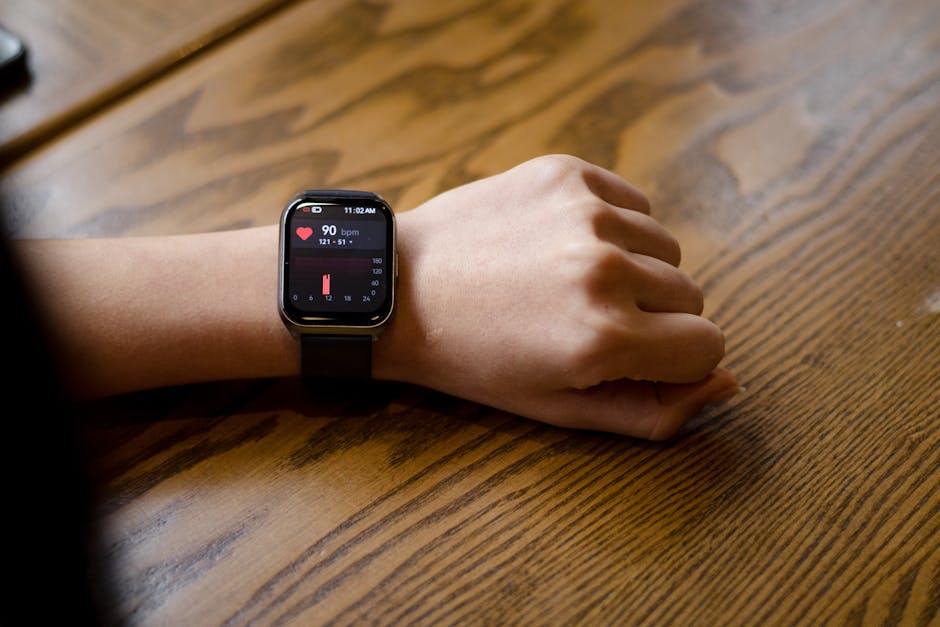
The Blood Pressure Revolution: How Optical Sensors in Smartwatches Are Changing Healthcare
Discover how optical sensors and AI algorithms in smartwatches are enabling continuous, cuffless blood pressure monitoring, transforming personal healthcare from occasional checks to 24/7 tracking.
Optical Blood Pressure: The Silent Health Monitor on Your Wrist
Imagine checking your blood pressure as easily as checking the time. No cuff, no squeezing, no interruption to your day. This isn't science fiction—it's happening right now on wrists around the world.
The Problem: Invisible Health Risks
High blood pressure is called the "silent killer" for a reason. It shows no symptoms while silently damaging arteries, increasing stroke risk, and compromising heart health. Traditional blood pressure monitors are clunky, inconvenient, and only provide snapshot readings. Most people check their pressure occasionally at best, missing critical patterns and spikes that occur throughout the day.
The Solution: Continuous, Cuffless Monitoring
New generation smartwatches are solving this with optical PPG (photoplethysmography) sensors and advanced AI algorithms. These sensors use green LED lights to measure blood flow changes in your wrist arteries. The light penetrates skin and blood vessels, and the reflected light patterns are analyzed by machine learning models trained on millions of data points.
Key features revolutionizing health monitoring:
- 24/7 tracking without any user intervention
- Trend analysis showing patterns over days and weeks
- Silent alerts for dangerous spikes or drops
- Exercise recovery monitoring through pressure changes
- Medication effectiveness tracking
How It Actually Works
The technology combines three crucial components:
-
Advanced Sensors: Multi-wavelength LED arrays that capture blood volume changes
-
AI Processing: On-device neural networks that convert light data into pressure readings
-
Calibration Algorithms: Self-improving systems that learn your unique vascular patterns
Unlike early attempts that required periodic cuff calibration, newest models use AI to maintain accuracy through motion compensation and personalized baseline establishment.
Who Benefits Most?
For Patients & Health-Conscious Individuals
Continuous monitoring means catching problems early. Morning hypertension spikes, nocturnal dipping patterns, and stress-induced pressure changes become visible for the first time without medical equipment.
For Healthcare Providers
Doctors gain access to real-world data rather than clinic readings that often suffer from "white coat syndrome." This transforms hypertension management from guesswork to data-driven decision making.
For Developers & Researchers
The open ecosystem around health data APIs creates opportunities for innovative applications. From stress management apps to personalized medication reminders, the platform enables new health tech ventures.
For Fitness Enthusiasts
Understanding how blood pressure responds to different workouts, recovery periods, and nutrition choices takes training optimization to new levels.
The Technology Behind the Magic
The secret sauce lies in the AI algorithms that translate optical signals into pressure readings. These models are trained on massive datasets combining PPG signals with simultaneous cuff measurements. The systems learn to account for:
- Skin tone variations
- Motion artifacts
- Temperature changes
- Individual vascular differences
Leading manufacturers like Apple, Samsung, and Fitbit have developed proprietary algorithms that achieve clinical-grade accuracy (within ±5 mmHg of traditional cuff measurements).
Privacy and Data Security
With sensitive health data involved, security is paramount. Most devices process raw data on-device, sending only anonymized trends to cloud servers. End-to-end encryption ensures that your blood pressure history remains private while still contributing to population health research.
The Future Is Already Here
This technology isn't coming—it's already available in flagship smartwatches. The Apple Watch Series 10, Samsung Galaxy Watch 7, and latest Fitbit models all include optical blood pressure monitoring with FDA clearance or equivalent certifications.
What's particularly exciting is how this technology integrates with other health monitoring features. When combined with ECG, sleep tracking, and activity data, it creates a comprehensive health picture that was previously only available in hospital settings.
Beyond Blood Pressure: The Bigger Picture
This innovation represents a broader shift toward proactive healthcare. Instead of treating problems after they occur, we're moving toward prevention and early detection. The same sensor technology that measures blood pressure is also being used for blood oxygen monitoring, hydration levels, and even early signs of infections.
For those interested in how AI is transforming other aspects of our digital lives, you might want to check out our analysis of Autonomous AI Auditors and their impact on digital security systems.
Getting Started with Optical BP Monitoring
If you're considering trying this technology, here's what to look for:
-
Clinical Validation: Ensure the device has proper medical certifications
-
Battery Life: Continuous monitoring shouldn't mean daily charging
-
App Ecosystem: Check what insights and trends the companion app provides
-
Integration: Look for devices that share data with health platforms you already use
The Bottom Line
Optical blood pressure monitoring in smartwatches represents one of the most significant advances in personal health technology in decades. It democratizes access to continuous health monitoring that was previously only available in medical facilities.
As the technology continues to improve and become more accessible, we're moving toward a future where health problems are detected before they become emergencies, and where everyone has the tools to understand and manage their cardiovascular health.
The revolution isn't just happening in hospitals and labs—it's happening on your wrist, right now, with every heartbeat.
For more cutting-edge technology analysis and insights, be sure to follow the latest developments on Agent Arena, where we explore how AI and technology are transforming every aspect of our lives.
Subscribe to Our Newsletter
Get an email when new articles are published.
Article Digest
🔥 Popular Now
#1
Claude Code Creator's Workflow: How Running 5 AI Agents Parallel Turns Coding Into a Real-Time Strategy Game
#2
How Vercel's AI-Ready Infrastructure Fueled Its Path to IPO
#3
DeepL Voice Translate: The End of Language Barriers in Real Conversations
#4
Notion AI Connectors: The Ultimate Workflow Integration Revolution
#5
Modeling Co-Pilots: The Next Frontier in Text-to-Model Translation