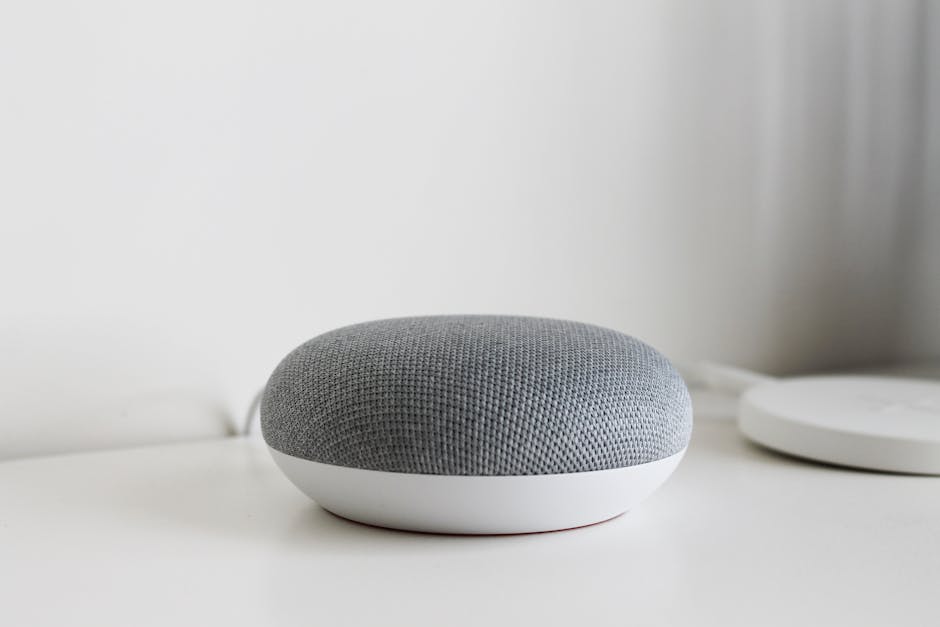
Screen-Free AI Teachers: The Future of Child Education Through Voice Assistants
Discover how screen-free AI teachers are transforming childhood education through voice assistants that teach without screens, reducing digital fatigue while enhancing learning engagement through interactive audio experiences.
The Rise of Screen-Free AI Teachers
Remember when learning meant sitting in front of screens? Those days are rapidly changing. Screen-free AI teachers are revolutionizing how children engage with educational content, combining cutting-edge voice technology with pedagogical expertise to create immersive, interactive learning experiences without a single pixel in sight.
The Problem: Screen Fatigue and Distracted Learning
In an era where children spend an average of 4-6 hours daily staring at screens, parents and educators face a growing concern: digital eye strain, decreased attention spans, and the constant battle against distracting notifications. Traditional educational apps often become just another screen time activity, defeating their intended purpose. The challenge became clear - how do we leverage technology's benefits without sacrificing children's visual health and focus?
The Solution: Voice-First Educational Companions
Enter screen-free AI teachers - intelligent voice assistants specifically designed for childhood education. These aren't your typical smart speakers; they're sophisticated educational partners that use:
- Natural Language Processing to understand children's speech patterns
- Adaptive Learning Algorithms that personalize content based on progress
- Emotion Recognition to detect frustration or confusion
- Multisensory Engagement through sound effects, music, and interactive dialogue
How They Work in Practice
Imagine your child asking: "Hey Luna, can we practice multiplication?" The AI teacher responds with an enthusiastic: "Absolutely! Let's play our space adventure game. If each rocket carries 7 astronauts, how many astronauts would 6 rockets carry?" The child responds verbally, receives immediate feedback, and the difficulty adjusts automatically based on their performance.
Who Benefits From This Technology?
For Parents
Parents gain peace of mind knowing their children are learning without screen addiction risks. These devices offer:
- Screen time reduction while maintaining educational value
- Progress tracking through companion apps
- Content control to align with family values
- Shared listening opportunities for family learning moments
For Educators
Teachers are discovering powerful classroom assistants that:
- Support differentiated instruction without additional devices
- Provide supplemental practice for struggling students
- Offer data insights on learning patterns
- Enable hands-free operation during activities
For EdTech Developers
The emergence of voice-first education creates new opportunities for:
- Audio-focused UX design specialists
- Child speech recognition researchers
- Educational content creators with audio storytelling skills
- Privacy-focused engineers building compliant systems
The Technology Behind the Magic
These systems combine several advanced technologies:
Voice Recognition Engine: Specially tuned for children's higher-pitched voices and developing pronunciation
Content Delivery System: Cloud-based educational content that streams appropriate responses in milliseconds
Learning Progress Algorithm: Tracks mastery across subjects and adjusts difficulty dynamically
Safety Features: Content filters, privacy protections, and parental controls built into every interaction
Real-World Applications Already Thriving
Several pioneering platforms have emerged:
MathMasters: Voice-based mathematics tutor that turns problems into audio games
StoryWeaver: Interactive storytelling system where children shape narratives through choices
LanguageBuddy: Immersive language learning through conversational practice
ScienceExplorer: Audio-based science experiments and Q&A sessions
The Future Sounds Bright
As voice technology improves, we can expect:
- Multilingual support for diverse learning environments
- Emotional intelligence that responds to student frustration
- Collaborative features for group learning activities
- Integration with physical materials for hybrid learning experiences
Embracing Audio-First Education
Screen-free AI teachers represent more than just technological innovation - they offer a return to imagination-rich learning. By removing visual distractions, these systems encourage children to create mental images, focus on content, and develop listening skills often neglected in our visual-dominated world. As this technology continues to evolve, it promises to reshape not just how children learn, but how they imagine, create, and engage with knowledge itself.
The classroom of the future might not have more screens - it might have better listeners.
Subscribe to Our Newsletter
Get an email when new articles are published.
Article Digest
🔥 Popular Now
#1
The Democratization of Software: How AI is Turning Everyone into a Developer
#2
Apple's Smart Glasses Evolution: Testing Four Designs Signals Strategic Pivot
#3
When AI Tension Spills Onto the Streets: The Molotov Attack on Sam Altman's Home and What It Means for Tech's Future
#4
CUTEv2: The Universal Matrix Engine Revolutionizing CPU Architectures with Zero Overhead
#5
Microsoft's New Enterprise Agent: The Secure Answer to OpenClaw's Risks