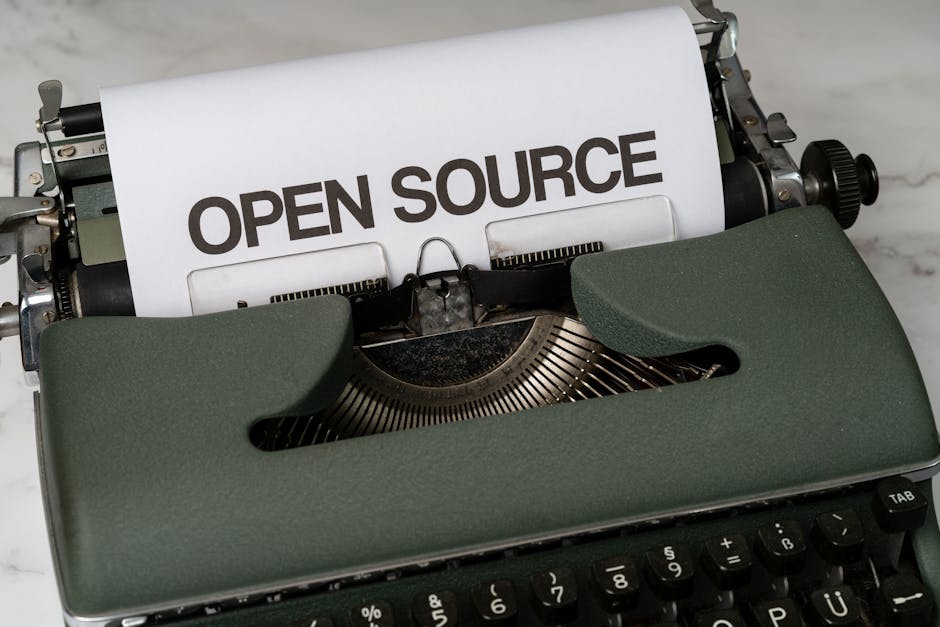
European Governments Are Funding Open Source AI: Here's Why This Changes Everything
European governments are funding open source AI communities to achieve technological independence. Discover how this movement benefits developers, businesses, and society while challenging big tech dominance.
The Quiet Revolution: Government Backing for Open Source AI Communities
Imagine a world where cutting-edge AI technology isn't locked behind corporate firewalls but developed collaboratively by global communities. This vision is becoming reality as European nations take unprecedented steps to fund open source AI development. Let's explore why this matters more than you think.
The Problem: AI Monopolization and Technological Dependence
For years, artificial intelligence development has been dominated by tech giants with billion-dollar budgets. This concentration of power creates several critical issues:
Vendor lock-in forces organizations into proprietary ecosystems Lack of transparency in how AI systems make decisions Geopolitical risks when relying on foreign-controlled technology Limited innovation as development follows corporate priorities rather than societal needs
The Solution: National Open Source Initiatives
Several European countries have launched groundbreaking programs:
France has committed €40 million to support open source AI communities developing French-language models Germany announced similar initiatives through its Ministry of Digital Affairs Nordic countries are collaborating on multilingual open source projects EU-wide programs like Horizon Europe now specifically fund open source AI research
These initiatives provide:
- Direct grants to developer communities
- Infrastructure support for training large models
- Legal and regulatory guidance
- Academic partnerships
- International collaboration frameworks
Who Benefits From This Movement?
For Developers and Engineers
Open source funding creates incredible opportunities:
Sustainable careers in open source development without relying on corporate sponsorship Access to computational resources previously available only to big tech companies Collaboration with top researchers through government-academic partnerships Real-world impact as projects address national priorities like healthcare, education, and public services
For Businesses and Entrepreneurs
Reduced costs through freely available state-of-the-art models Customization capabilities without licensing restrictions Supply chain security using locally developed and maintained AI systems Competitive advantage through early adoption of cutting-edge open source tools
For Policy Makers and Public Institutions
Technological sovereignty ensuring critical infrastructure isn't dependent on foreign entities Ethical AI development with transparent, auditable systems Public trust through open, verifiable AI systems Economic growth by nurturing local AI expertise and startups
The Ripple Effects: Beyond National Borders
This movement creates fascinating secondary benefits:
Knowledge sharing across international open source communities Standardization of best practices and ethical guidelines Democratization of AI capabilities to smaller organizations and developing nations Accelerated innovation through collaborative rather than competitive development
Looking Ahead: The Future of Open Source AI
We're witnessing the early stages of a fundamental shift in how society develops and deploys artificial intelligence. Government support for open source communities represents:
A new model for public-private partnership in technology development A strategic approach to maintaining technological independence A commitment to democratic values in the age of AI An investment in collective intelligence rather than concentrated power
Join the Movement
Whether you're a developer, business leader, or simply someone interested in the future of technology, this shift toward government-supported open source AI affects you. The question isn't whether open source will shape our AI future, but how quickly we can contribute to and benefit from this collaborative revolution.
The age of closed, proprietary AI is giving way to something more open, more democratic, and ultimately more powerful. The only question is: which side of history do you want to be on?
Subscribe to Our Newsletter
Get an email when new articles are published.
Article Digest
🔥 Popular Now
#1
The Democratization of Software: How AI is Turning Everyone into a Developer
#2
Apple's Smart Glasses Evolution: Testing Four Designs Signals Strategic Pivot
#3
When AI Tension Spills Onto the Streets: The Molotov Attack on Sam Altman's Home and What It Means for Tech's Future
#4
CUTEv2: The Universal Matrix Engine Revolutionizing CPU Architectures with Zero Overhead
#5
Microsoft's New Enterprise Agent: The Secure Answer to OpenClaw's Risks